



In many industrial and research environments, controlling the presence of dissolved gases or trapped air in materials is essential. When working with liquids, resins, metals or chemical compounds, unwanted gas bubbles can compromise product quality, mechanical properties or process stability. One of the most reliable ways to eliminate these gases is through vacuum degassing, a process that relies on carefully controlled pressure reduction. And to answer this need, Plasmadiam offers his furniture and installation service of vacuum pumps for degassing.
Degassing refers to the process of removing dissolved gases, trapped air or volatile components from a material. In many cases, gases remain present inside liquids or molten substances due to pressure conditions or chemical reactions. When these gases are not removed, they can lead to defects such as bubbles or porosity.
Applying a vacuum is one of the most effective ways to release these gases. When the pressure inside a chamber decreases, the solubility of gases in liquids or materials is reduced. As a result, trapped gases expand and rise to the surface, where they can be evacuated from the system.
This is where vacuum pumps become indispensable. A vacuum pump for degassing creates the low-pressure environment required to initiate and sustain the degassing process. Without this pressure reduction, the gases would remain dissolved in the material.
In many industrial processes, degassing must be performed under precise and controlled conditions. The pressure level, pumping speed and stability of the vacuum system all influence how effectively gases can be removed. A well-designed vacuum pumping system therefore ensures both process efficiency and product quality.

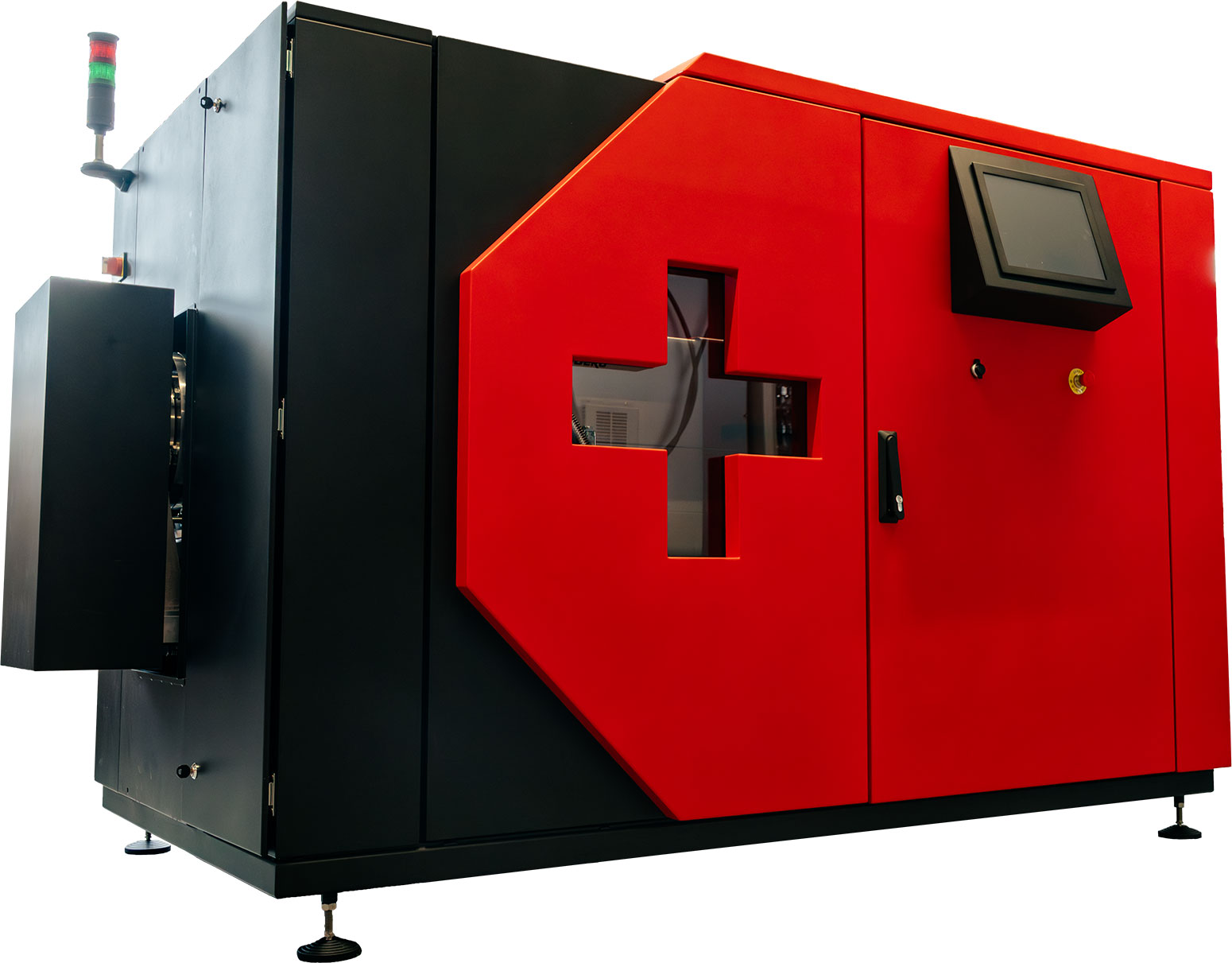
Several types of vacuum pumps can be used for degassing processes. The choice depends on the required pressure range, the volume of gas to be removed and the nature of the material being processed.
Mechanical vacuum pumps are among the most commonly used solutions. These pumps operate by mechanically displacing gas molecules from a chamber and expelling them to the atmosphere or to another stage of the pumping system. Their robustness and reliability make them well suited to many industrial applications.
In some systems, multiple pumps are combined to achieve optimal performance. A primary pump may establish the initial vacuum level, while additional pumps increase pumping speed or maintain stable pressure conditions during the degassing process.
Booster pumps are used to enhance pumping capacity. These devices can significantly improve the evacuation speed of the system, particularly when large volumes of gas must be removed in a short time.
The selection of a pump also depends on the sensitivity of the process. Certain applications require particularly clean vacuum environments, where contamination from oil or other substances must be avoided. In such cases, pump technologies designed for clean operation may be preferred.
Another important factor to consider is the compatibility of the pump with the gases involved. Some degassing processes release vapors or chemical compounds that require specific materials or protective measures within the pump system.
Degassing plays a key role in a wide range of industrial sectors. In materials science, removing dissolved gases helps ensure the structural integrity of resins, polymers and composite materials. Even small gas inclusions can lead to defects or mechanical weaknesses.
In metallurgy, degassing is used to remove gases from molten metals before solidification. This step helps improve the purity and mechanical strength of the final material by reducing internal porosity.
The electronics industry also relies on vacuum degassing when preparing certain materials used in semiconductor manufacturing. The presence of trapped gases could otherwise compromise the performance of sensitive components.
Degassing processes are also used in research laboratories and testing environments where precise control of material composition is required. Vacuum pumps allow scientists to reproduce controlled conditions and eliminate unwanted contaminants.
In coating and surface treatment technologies, degassing can help ensure that surfaces remain free of bubbles or defects before applying thin films or coatings.
Across all these applications, the effectiveness of the degassing process depends largely on the performance and reliability of the vacuum pumping system.
Implementing an efficient degassing system requires more than simply installing a vacuum pump. The entire vacuum infrastructure must be designed to ensure stable operation, compatibility with the process and long-term reliability.
Based in Switzerland, Plasmadiam brings more than twenty years of experience in vacuum system construction and engineering. Our company supports industrial and research organizations in the design, supply and installation of vacuum systems tailored to specific applications, including degassing processes.
Each project begins with a detailed analysis of your requirements. Our engineers collaborate closely with customers to understand process conditions, pressure ranges and operational constraints. Our collaborative approach ensures that the vacuum solution is precisely adapted to the intended application.
Plasmadiam’s engineering expertise covers both mechanical and automation aspects of vacuum systems. From electrical schematics to system specifications, our team manages the development of integrated solutions that combine vacuum technology with advanced process control.
Modern vacuum installations often require comprehensive data management capabilities. Plasmadiam systems can include visualization tools, recording and archiving of process data and integration with external database systems. These features allow operators to monitor system performance and maintain consistent process quality.
Plasmadiam’s expertise extends beyond degassing applications. We work with vacuum technologies across a variety of disciplines, including coating processes, thermal treatments, testing environments and motion systems operating under vacuum conditions.
This multidisciplinary approach allows Plasmadiam to design systems capable of integrating multiple technical requirements within a single vacuum installation.
Vacuum degassing is a process that removes dissolved gases or trapped air from materials by reducing pressure and allowing gases to escape.
Vacuum pumps create the low-pressure environment necessary to release and remove gases from liquids or materials.
Degassing is used in metallurgy, materials science, electronics manufacturing, coating technologies and research laboratories.
Yes. Degassing applications require specific vacuum levels and pumping speeds, making customized systems particularly important.
Yes. Our company offers engineering, system construction, automation integration and maintenance services for customized vacuum installations.
Want to know more about our furniture and installation service of vacuum pumps for degassing? Contact us now!