



In high-precision industries, vacuum is not an option, it is part of the process itself. Coating, thermal treatment, analytical instruments, semiconductor tools, vacuum ovens or movement under vacuum all rely on installations that must remain tight and stable over time. A single undetected leak can compromise pressure levels, contaminate the process and gradually damage equipment. In this context, the conception of vacuum leak detection system becomes a decisive step in ensuring reliability, durability and control of every vacuum-based application. Designing a vacuum leak detection system is therefore not just about choosing an instrument. It is about understanding the process, the required leak rate, the applicable standards and the way operators need to work with the installation.
A vacuum leak is an unwanted gas flow through a defect in a wall, a seal or a component of the vacuum system. No installation is absolutely leak-tight ; but the key is to keep the leak rate low enough so that operating pressure, gas balance and ultimate pressure remain within specification.
Vacuum leak testing is the set of methods used to locate and quantify these leaks. From an engineering perspective, four parameters structure every test: test pressure, allowable leak rate, test volume and test time. Defining these correctly is essential to ensure that the test really reflects the operating conditions of the equipment and the criticality of the product.
Among all available techniques, helium leak testing has become the reference for high-sensitivity vacuum applications. In this method, helium is used as a tracer gas and a mass spectrometer leak detector measures changes in helium partial pressure to detect and quantify leaks. Helium is particularly suitable because it is inert, non-toxic, present in very low concentration in air and has a small atomic size, which allows it to pass through very small defects.
Helium leak detection can be operated in two main configurations:
Thanks to its very high sensitivity and quantitative nature, helium leak testing is widely used in sectors where product quality and safety are critical, such as pharmaceutical devices, medical packaging, semiconductor processing, vacuum packaging and many other industrial applications.
Plasmadiam works exactly in this field: our company distributes helium leak detectors, provides leak detector repair and calibration services and offers in-house or on-site helium leak testing in vacuum or sniffer mode.

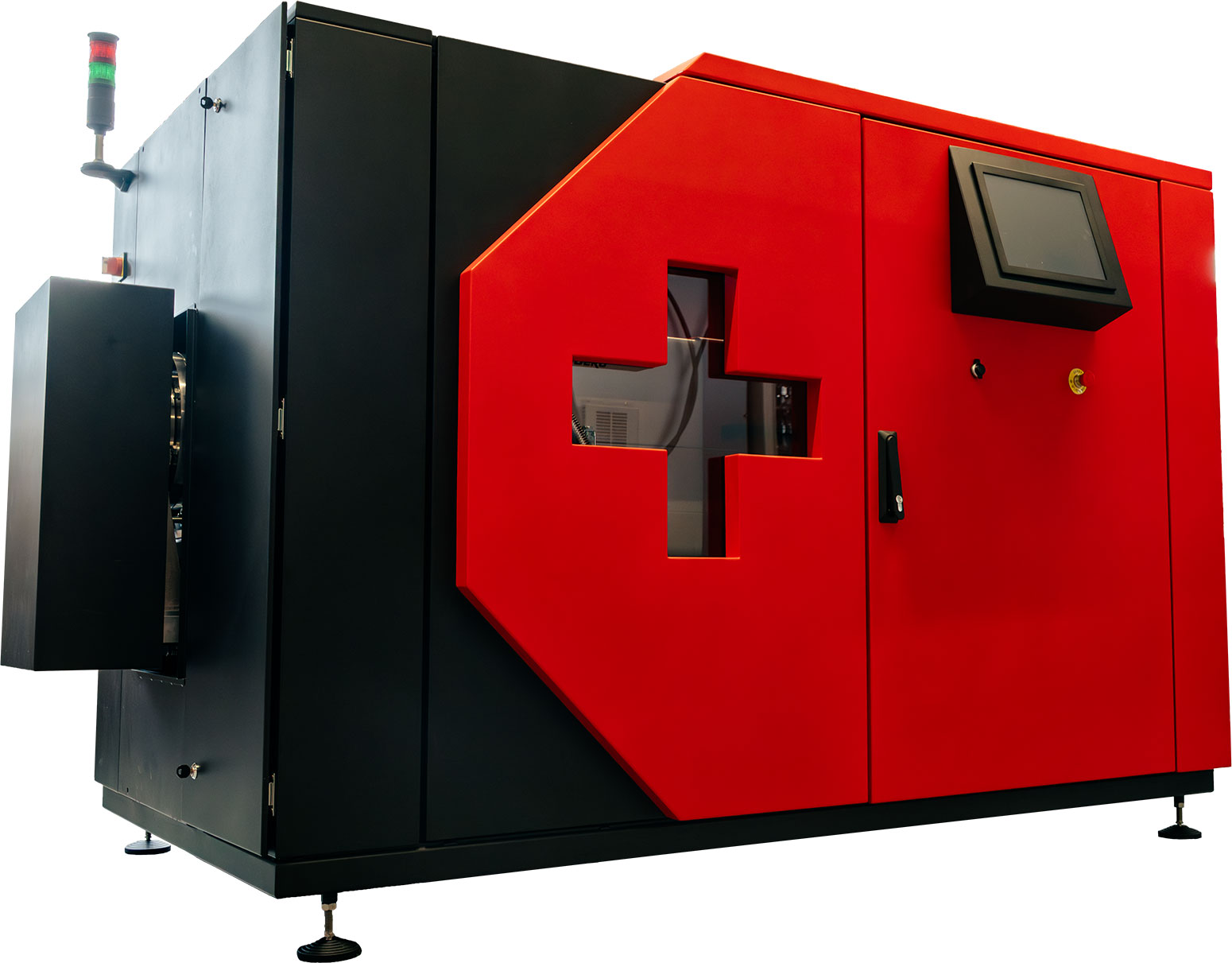
The most immediate impact of a leak is the loss of vacuum performance. Even a small leak can prevent the system from reaching the required pressure, lengthen pump-down times or make the ultimate pressure unstable. This translates into longer cycles, reduced throughput and processes that become more difficult to control.
Beyond pressure itself, leaks often introduce air components such as oxygen and nitrogen into the process. In semiconductor manufacturing, for example, unwanted O₂ and N₂ mixtures can alter plasma conditions, change thin-film properties and reduce yield. Similar issues appear in analytical instruments or surface treatment lines, where residual gases disrupt measurements or coating quality.
In industries that handle pharmaceutical or sterile products, a leak can compromise sterility, shorten shelf life and ultimately trigger costly batch rejections or recalls. In composite manufacturing or structural applications, leaks can affect curing conditions and lead to hidden defects. For packaging in general, even a microscopic leak is enough to deteriorate integrity, with direct consequences on consumer safety and brand reputation.
Leaks also impact the health of the equipment itself. Continuous air ingress accelerates wear and corrosion on internal surfaces, increases the number of pump starts and stops and can lead to unplanned shutdowns with significant maintenance costs. In automotive and aerospace systems, vacuum leaks in engines or auxiliary systems can lower performance, reduce fuel economy and disturb subsystems such as braking, fuel delivery or emission control.
Want to avoid all these problems? Contact Plasmadiam now, your specialist in designing vacuum leak detection systems tailored to your specific needs. We’ll guide you through the entire process to ensure the long-term reliability of your installations.
In vacuum mode, the part under test is connected to the helium leak detector and evacuated. Helium is sprayed from the outside onto welds, flanges or seals. Any helium that enters the part is pumped towards the mass spectrometer, which measures the leak rate with high sensitivity. In sniffer mode, the part is pressurised internally with helium and a sniffer probe scans external joints; the detector measures helium escaping from leaks into the surrounding air.
A dedicated system becomes relevant when leak testing is frequent, highly critical or deeply integrated into production. Typical examples include high-volume manufacturing with 100 % testing of parts, regulatory or customer requirements for documented leak-tightness and processes where very low leak rates must be guaranteed for safety or product performance.