Edwards Proteus enables the effective treatment of PFC and other global warming gases without the use of natural gas or other hydrocarbons.
Edwards Proteus
Proteus is a low power consumption, user-friendly and cost effective solution to reducing the carbon footprint of semiconductor manufacturing.
Low power, high efficiency Plasma technology
Plasma Power Modulation
Low NOx emissions
Long MTBS
Uptime protection with Proteus Dual
A unique, low power Plasma Technology that achieves high destruction rate efficiency (DRE) of PFC gases such as CF4 and other global warming gases such as SF6, NF3 and N2O. This makes Proteus one of the most cost-effective solutions for the abatement of global warming gases from semiconductor manufacturing processes.
Proteus Plasma's operating power is fully adjustable in function of the incoming gas load, allowing users to minimize power consumption yet maintaining optimum treatment efficiency. Interfacing with the process tool and automatic Plasma Power Modulation offers further opportunities for reducing operation cost whilst maintaining the highest environmental performance.
PFC gas abatement requires high temperatures that promote the formation of NOx gases. Proteus Plasma technology was developed to minimize “thermal NOx” emissions and is now standing as one of the leading “low NOx” PFC abatement system.
The destruction of PFC molecules tends to increase the acid loading through the creation of toxic and corrosive water soluble compounds. Proteus Plasma torch and wet scrubbing stages have been specifically designed to minimise component corrosion. Combined with an excellent powder handling capability, Proteus is able to achieve long MTBS whilst maintaining a safe working environment in the Fab.
Proteus Dual offers a fully integrated “backup” solution to help secure abatement availability without the need for complicated piping and interfacing. Proteus Dual is a cost effective, easy to install solution. It helps maintain process uptime, reduce footprint and installation costs, whilst enhancing the safety of the sub-fab.
Software : Industrial PC system Simple and easy diagnosis and description system Remote diagnosis through data machine or IP
Coating types
Standards Coating : TiN, CrN, TiCN, TiAlN, AlTiN, etc.
Recipes can be selected : AlCrN, TiAlSiN, AlCrTiN, DLC, etc.
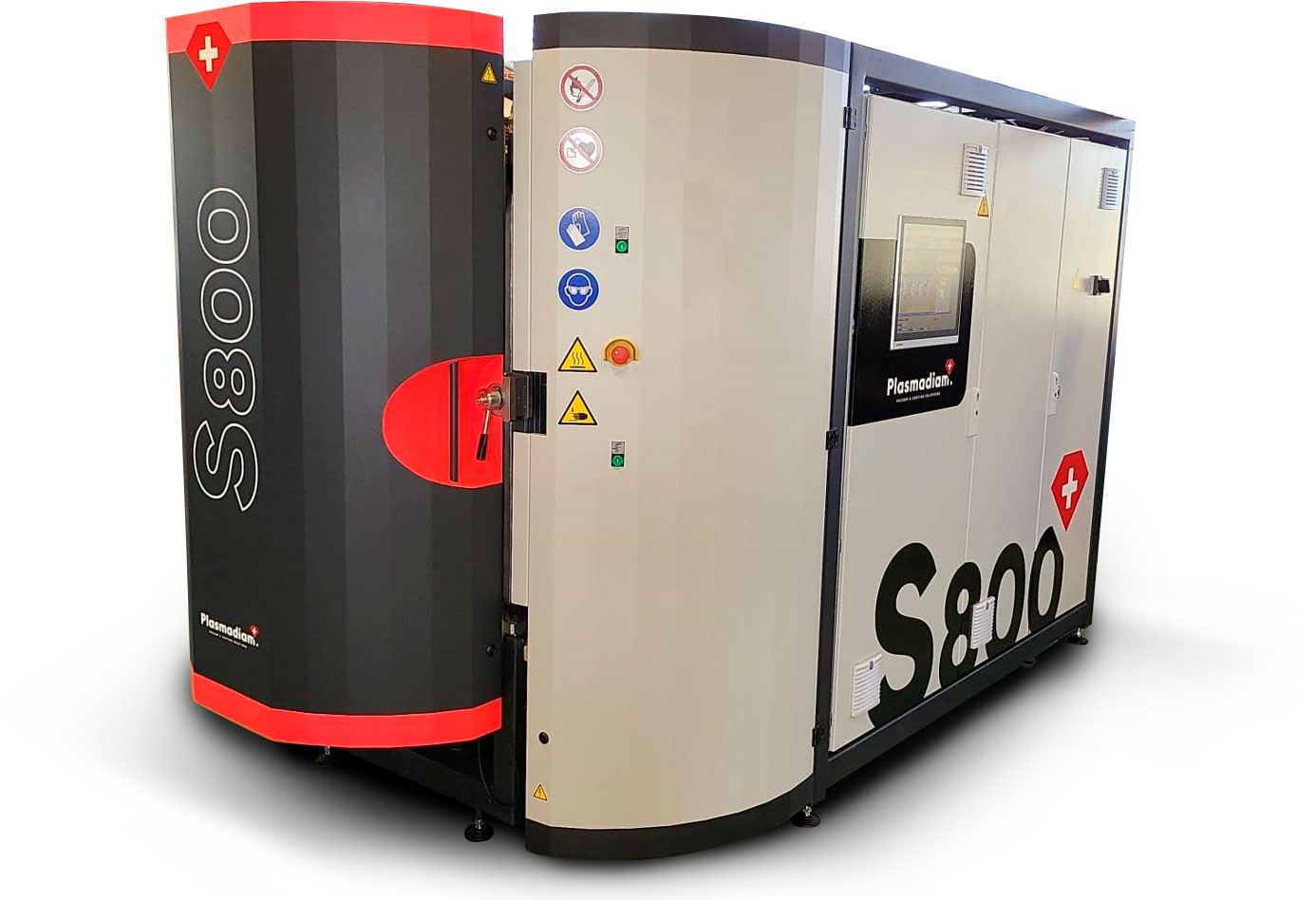
Capacity (24H)
Milling cutter : D6×50 mm = 1,800×5 = 9,000 pces - D16×95 mm = 450×5= 2,250 pces
Insert : D20×H6 mm = 2,340×5 = 11,700 pces
Hobs : D80×180 mm =24×5= 120 pces
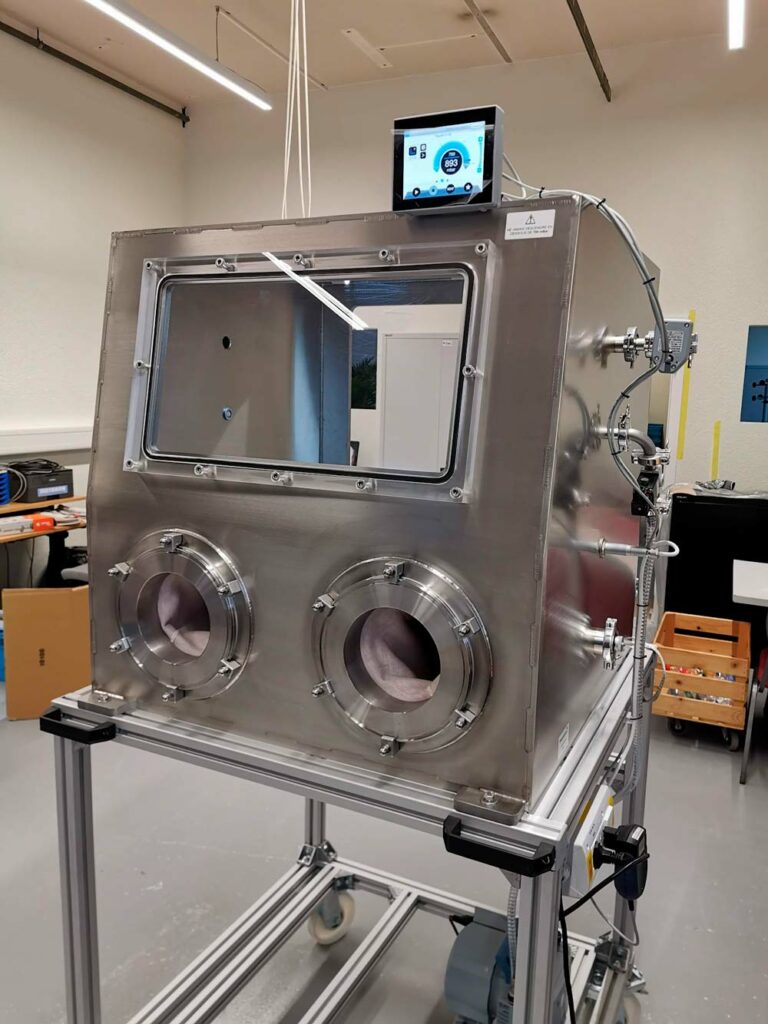
Testing Chamber
Applications : The bench top system offered allows to reach and maintain pressures equivalent to “O” meter (Atmospheric pressure) to high level such 4000 meters and beyond, inside a test chamber.
Atmospheric Pressure Simulator Chamber
Programmable vacuum controller
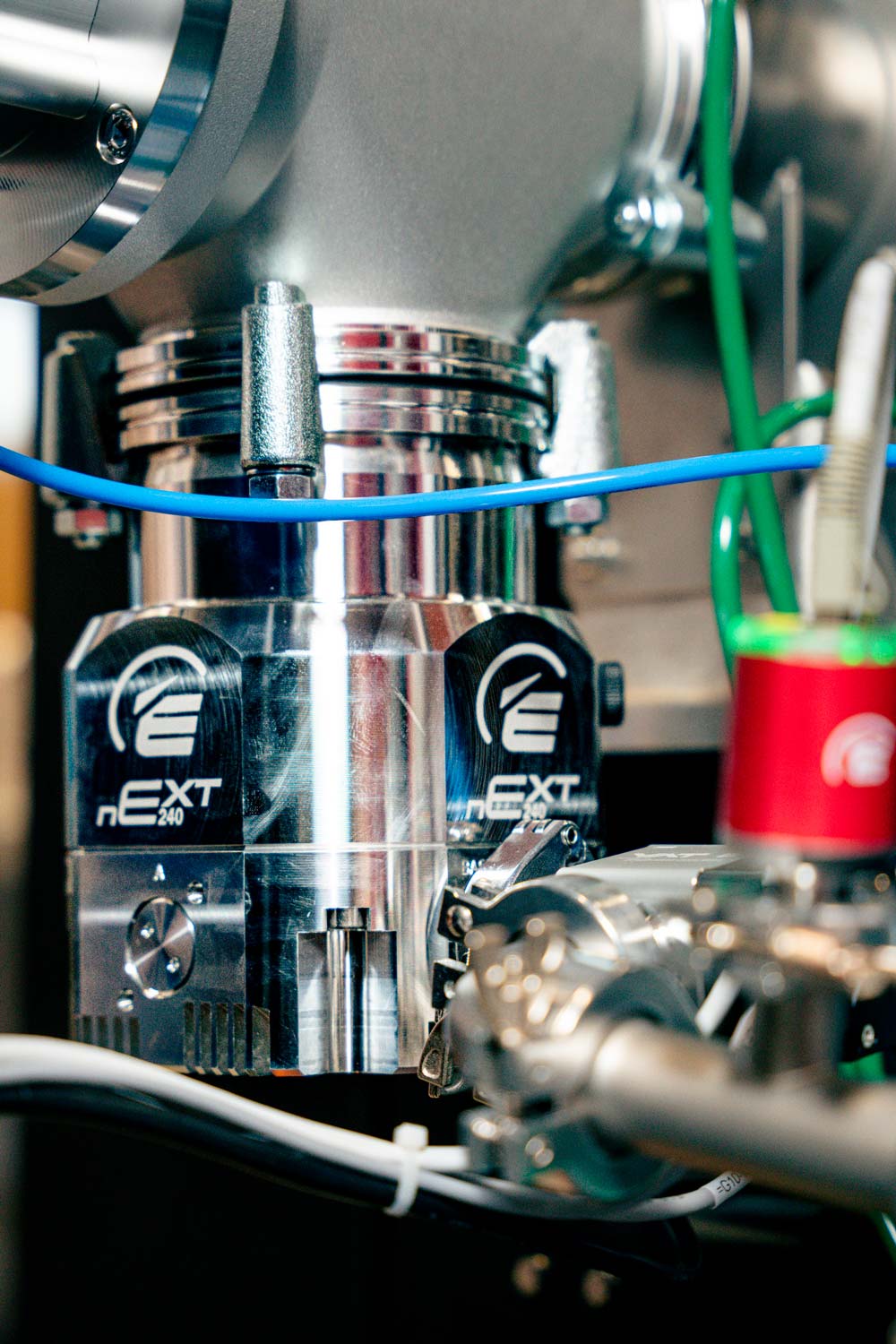
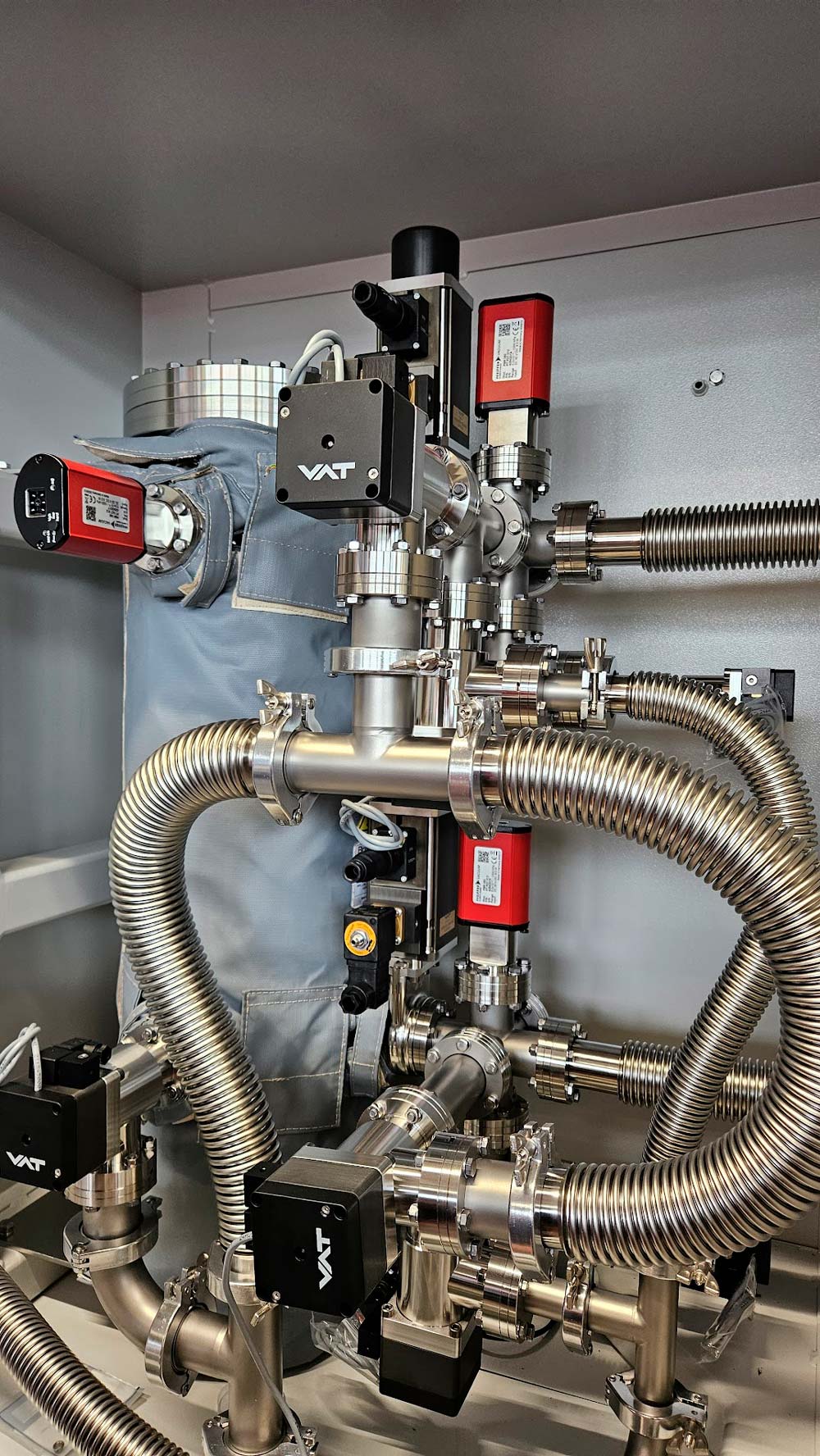
High Vacuum Pumping Stations
Vacuum Ovens bake, degas, heat, dry and anneal components for the electronics, aerospace and defence industries. Our systems come in multiple cylindrical or cubic configurations.
Choice of turbomolecular pump with speeds ranging from 85 to 930 ls-1
Choice of dry backing pumps with capacities ranging from 6 to 90 m3h-1
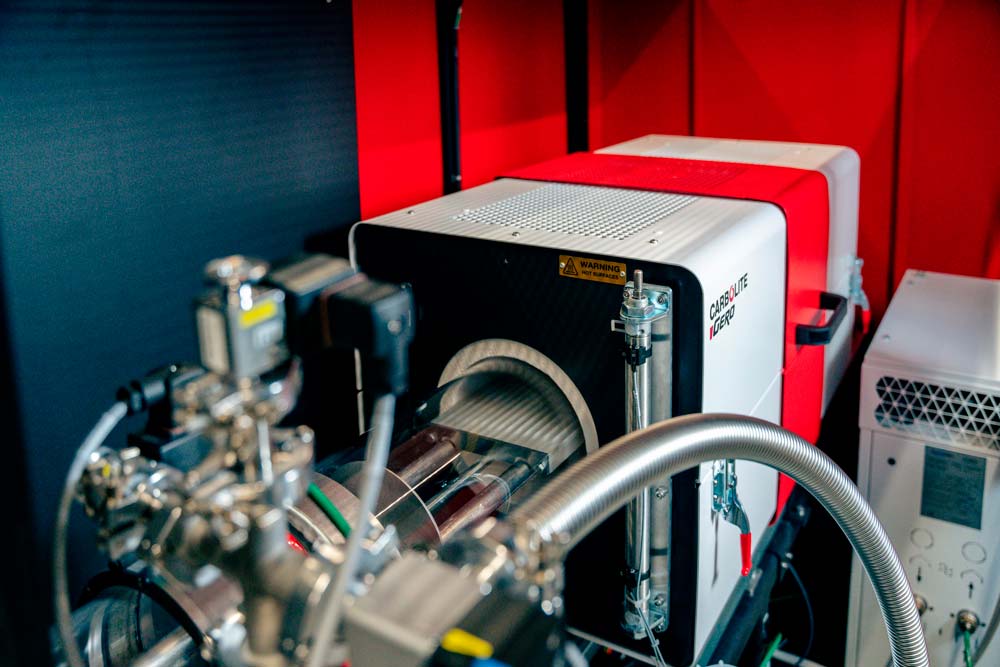
Vacuum Heat Treatment Furnace
Heat treatment to fix the shape of the spiral spring. The fixing heat treatment is carried out under the following conditions :
Between 10-7 mbar and 10-5 mbar, in an inert atmosphere
Temperature between 400°C and 1000°C
Time between 1h and 6h
Advantages of vacuum furnaces
Controlled heating
Reproducible process
High efficiency
Fasting heating & cooling
High Vacuum Pumping Group
Ultra High Vacuum System Bake Out
Vacuum Ovens bake, degas, heat, dry and anneal components for the electronics, aerospace and defence industries. Our systems come in multiple cylindrical or cubic configurations.